
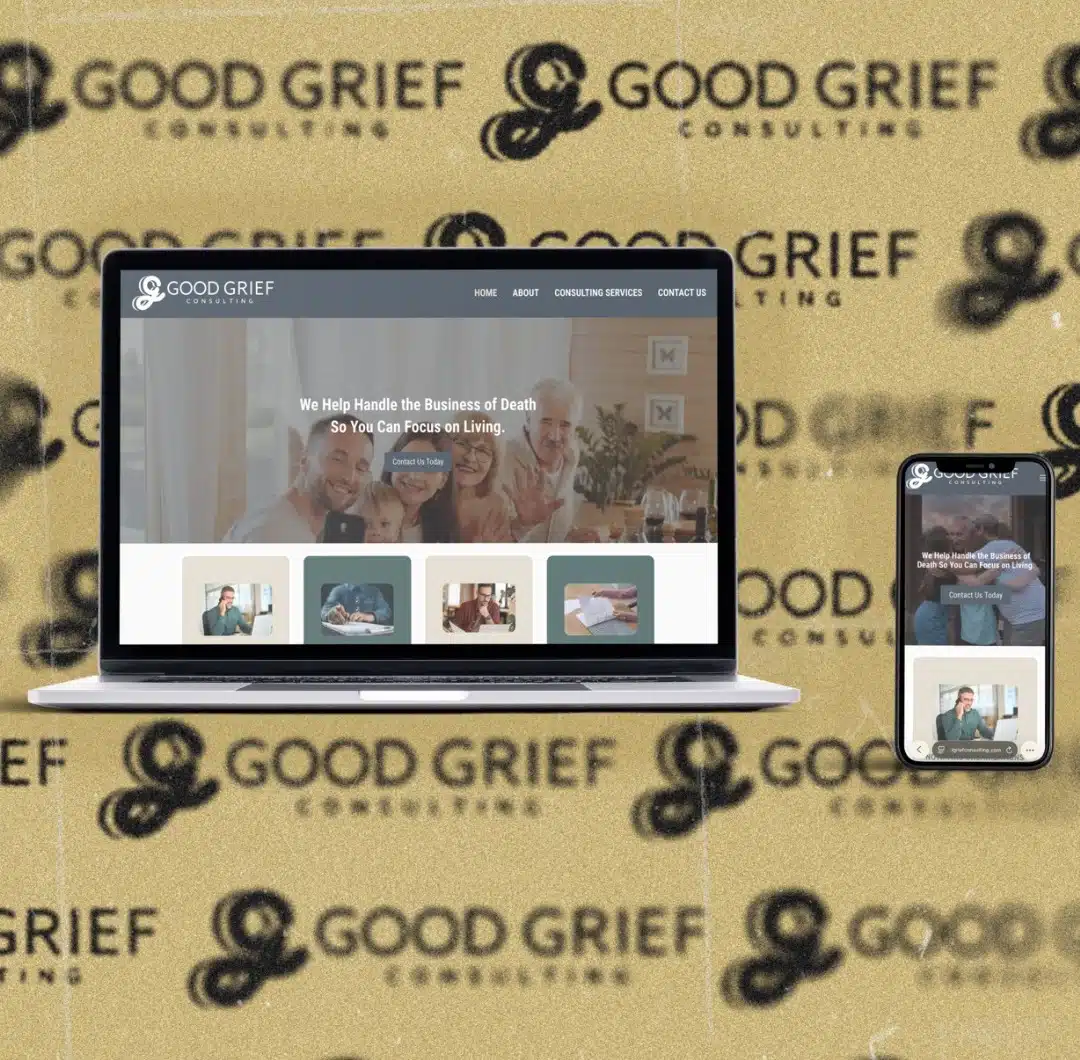
- Effective website design combines visual hierarchy, typography, color, and functionality to create an experience that keeps visitors moving toward conversion.
- Poor user experience directly hurts your bottom line through high bounce rates, lower search rankings, and lost trust.
- While AI tools and DIY builders can produce a website, they can’t replace the strategy, storytelling, or data-backed decision.
You’ve got a business idea you believe in. Maybe you’ve already launched, and things are moving. Maybe you’re still in the phase of pulling everything together. Either way, at some point you’ve probably opened up a browser, looked at your website (or the blank canvas where one should be), and thought: is this good enough?
That question matters more than most people realize. Your website isn’t just a digital business card. It’s your first impression, your salesperson, your credibility check, and your conversion engine, all rolled into one. The difference between a website that works and one that quietly loses you customers comes down to two things: website design and user experience.
What Is User Experience?
User experience, or UX, is how someone feels when they use your website. Can they find what they’re looking for? Does the page load fast enough that they don’t just hit the back button? Is the layout intuitive, or are they clicking around feeling lost? Do they trust what they’re seeing?
Every single one of those micro-moments adds up. A visitor who lands on your site has already made a decision to show up. The website’s job is to make them stay, engage, and ultimately take action.
Good UX isn’t about making something pretty for the sake of it. It’s about making something that works, and making it feel effortless for the person on the other end of the screen.
How User Experience Impacts Your Bottom Line
This is where the conversation shifts from abstract to very real. UX isn’t a “nice to have.” It’s a direct driver of revenue, and the data backs that up consistently. Here’s something a lot of business owners don’t realize: Google is watching how people interact with your site.
UX Signal |
What Google Measures |
Impact on Rankings |
| Page load speed | Time to First Byte (TTFB) and largest contentful paint (LCP) | Slow pages rank slower, Google prioritizes fast loading sites |
| Bounce rate | How quickly users leave without interacting | High bounce rates signal low relevance or poor experience |
| Time on page | How long visitors stay and engage with content | Longer sessions tell Google your content is worth ranking |
| Mobile usability | How well your site functions on phones and tablets | Non-mobile friendly sites are penalized in mobile search results |
| Core web vitals | LCP, Cumulative Layout Shift (CLS) and Interaction to Next Paint (INP) | Bad technical aspects of a website will lead to higher dissatisfaction with visitors |
| Click through Rate | How often users click your result in search | Low CTR tell Google your page isn’t what searchers are looking for |
| Pages per session | How many pages a visitor explores before leaving | More pages visited signals a well-structured, engaging site |
Core Elements of Effective Website Design
We’ve all landed on a website and thought “wow, this is really good”. Great websites don’t happen by accident. There’s a logic to the best ones, a set of decisions made intentionally to guide the visitor exactly where they need to go. High-performing websites are built on a few foundational principles that separate them from the pack.
Visual Hierarchy and Layout
Visual hierarchy is the art of telling someone’s eye where to look first, second, and third. When done well, it’s invisible. Visitors will naturally flow through the page, absorbing information in the order intended. When done poorly, everything competes for attention and nothing wins.
Layout is a big part of this. White space, section breaks, strategic placement of headlines, and calls to action all work together to create a natural reading experience. A cluttered page looks bad and creates cognitive overload, making people leave.
Typography and Readability
The fonts you choose and how you use them say a lot about your brand. Beyond aesthetics, readability is what keeps people on your page. If someone has to squint or zoom in to read your content on their phone, you’ve already lost them.
That means appropriate:
- Font Sizes
- Text/Background Contrast
- Line Spacing
Color Psychology and Brand Consistency
Color is emotional. Blues communicate trust and calm; Oranges signal energy and enthusiasm; Greens suggest growth and wellness. The palette you choose should align with your brand, what it stands for, and what feeling you want your customers to walk away with.
Just as important is consistency, i.e. colors, fonts, and overall visual style. Each of these elements should feel the same across every page of your site. When things feel disjointed, visitors unconsciously start to trust you less, even if they can’t put their finger on why.
Imagery and Visual Storytelling
Stock photos that look like stock photos can actually hurt you. People are sharp, and they can smell inauthenticity almost immediately. Wherever possible, real imagery of your team, your work, your product, or your space builds a genuine connection.
Even when custom photography isn’t an option, the images you choose should be chosen with intention. Every visual on your site is part of the story you’re telling about who you are and why someone should trust you.
Should I Build My Website Myself or Hire a Pro?
There are more tools available today than ever before to help someone build their own website. Drag-and-drop builders, AI-generated layouts, template libraries, you name it. For some situations, those tools are fine.
But here’s the honest truth about AI-powered website builders and DIY platforms: they can give you something that looks like a website, but doesn’t have the technical aspects that ultimately make a successful business website.
The best websites aren’t just well-designed, they’re well-researched. That means understanding who the audience is, what they’re looking for, and how they behave on a page. A beautiful design that’s built on guesswork will always underperform a strategic design built on data.
Build A Website With Boiling Point
At Boiling Point Media, website design isn’t just about making something that looks good in a screenshot. It’s about building a digital experience that reflects your brand, speaks to your audience, and moves people to take action. Let’s build something worth clicking on. Reach out to Boiling Point Media today and let’s talk about what your website could actually be doing for you.
We are passionate about all things marketing. That’s why we are proud to offer SEO, PPC, web design, social media management, and more. Explore who we are and what we do for a glance at the many talented specialists that make the magic happen at Boiling Point Media.
Contact Boiling Point Media
Contact Boiling Point Media today to learn more about how we can keep your business at the forefront with website design.
Phone
info@boilingpointmedia.com
Address
7801 N Robinson Ave, Ste J-11, OKC, OK 73116